By: Kayce Geezy
When a law enforcement officer is arrested, the story is rarely just about the arrest itself.
It’s also about how leadership responds.
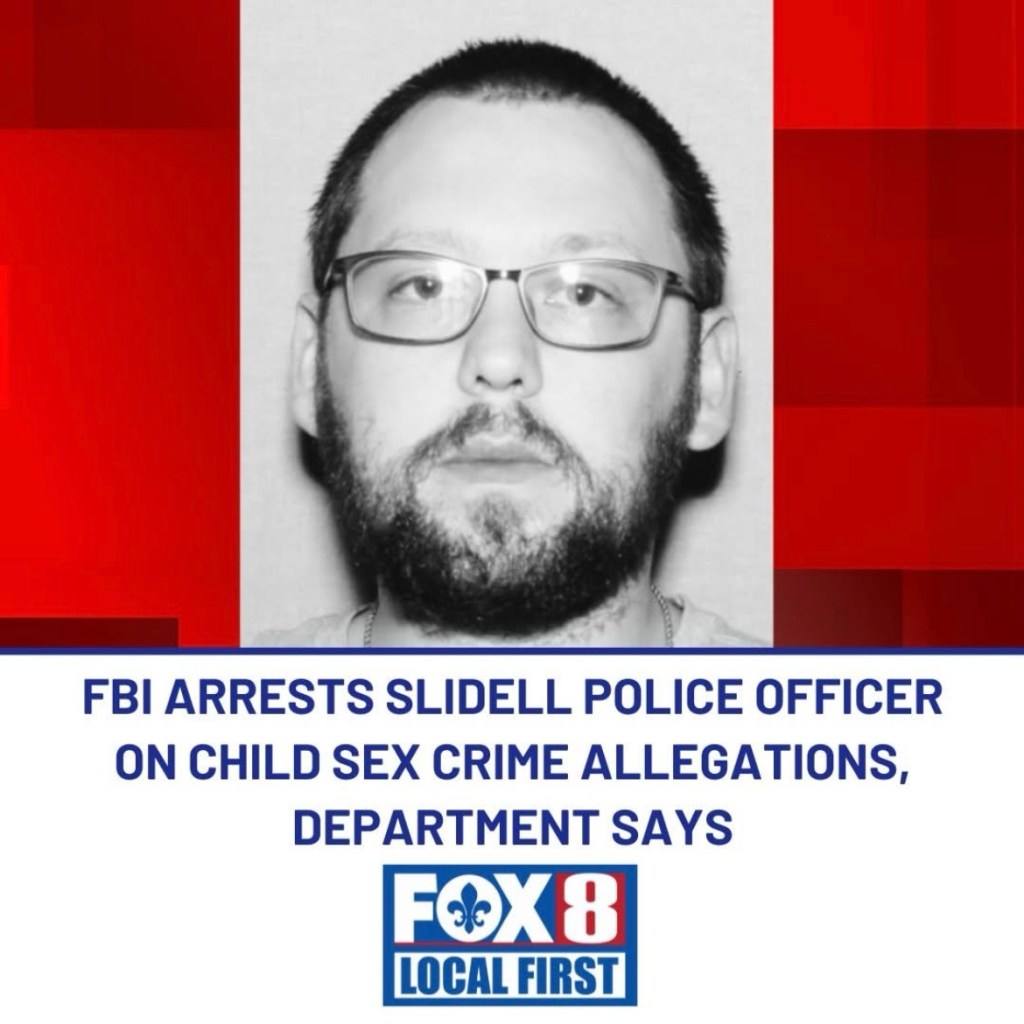
This week, a corrections officer working in the Slidell city jail, Nicholas Engolia, 31, of Slidell, was arrested by the Federal Bureau of Investigation after authorities say he communicated online with someone he believed to be a 15-year-old girl, who was actually an undercover FBI agent.
According to authorities, Engolia was charged with:
• Transfer of Obscene Material to a Minor • Coercion and Enticement of a Minor
Investigators say Engolia later traveled to Covington intending to meet the person he believed to be a minor before he was arrested.
At the time of his arrest, Engolia had reportedly been employed with the Slidell Police Department for approximately 10 years; he even attended his very own engagement party 2 days prior on Sunday, March 1.
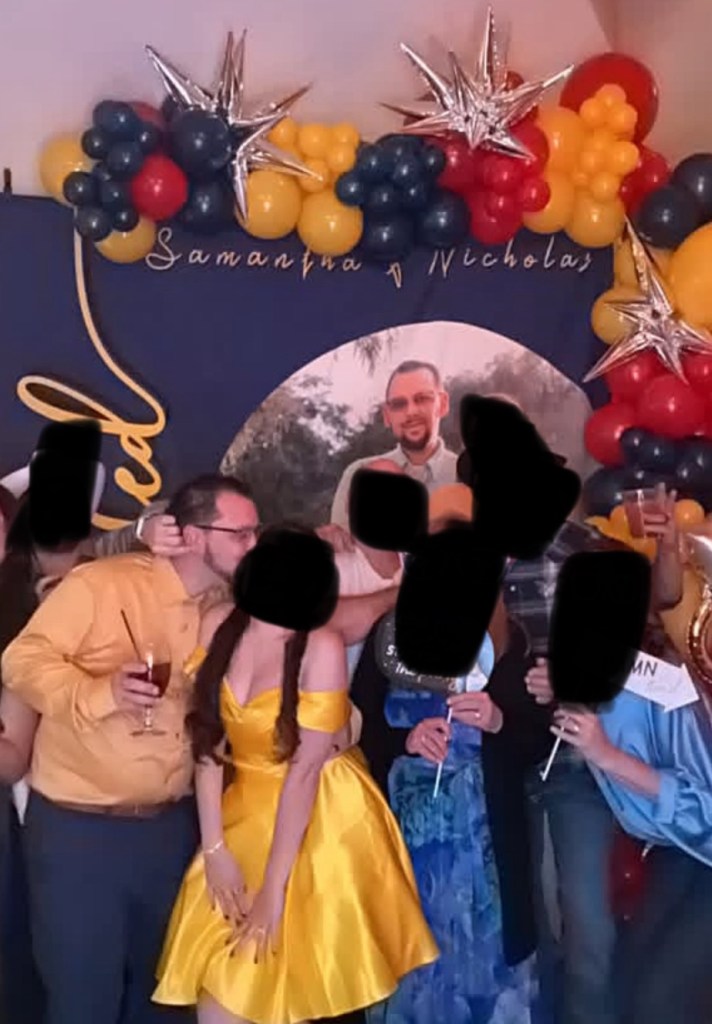
As with any criminal case, Engolia is presumed innocent unless and until proven guilty in court.
But for many residents, the focus quickly shifted to something else.
Leadership.
“He Will Receive No Favors”
Shortly after the arrest became public, Slidell Police Interim Chief Daniel Seuzeneau addressed the situation directly.
Rather than avoiding comment or waiting days to release a statement, Seuzeneau spoke candidly about the arrest and the department’s reaction.
“I am beyond pissed off right now,” Seuzeneau said.
“That is an understatement on how I feel, on how all the men and women of this agency feel.”
He also made it clear the officer would not receive special treatment because of his position in law enforcement.
“He will receive no favors.”
Seuzeneau went further, emphasizing that law enforcement officers should be held to a higher standard because of the profession they choose.
“In fact, he should be held to a higher standard because of what he chose to do as a profession.”
He also made it clear that the alleged conduct does not represent the department or the officers who serve the community every day.
“This is absolutely not what this department stands for. We are not going to let this one incident tarnish what all of us put on every day because of what Mr. Engolia did.”
Leadership Is Tested in Difficult Moments
Every law enforcement agency talks about integrity and accountability.
But those values aren’t tested when things are running smoothly.
They are tested when something goes wrong… especially when the issue involves someone inside the department itself.
In those moments, leadership decisions matter.
Some agencies address situations publicly and directly.
Others rely on formal press releases or internal processes before speaking publicly.
Neither approach necessarily determines the outcome of an investigation.
But the tone and timing of leadership responses can influence how the public interprets transparency.
A Broader Conversation in St. Tammany Parish
Incidents like this often spark a broader conversation about leadership standards across law enforcement agencies in St. Tammany Parish.
For years, residents have debated issues surrounding transparency, accountability, and the so-called “good-ole-boy” culture that critics say can sometimes exist within local government institutions.

When controversies arise, the public tends to focus on simple questions:
• How do leaders respond?
• Do they address the situation publicly and clearly?
• Or do they rely on silence, internal handling, or delayed explanations?
Seuzeneau’s response to the Engolia arrest provided an example of what immediate transparency can look like in real time.
And in communities where law enforcement leadership is closely watched, moments like this inevitably shape public perceptions about what accountability should look like across agencies.
Why Leadership Culture Can Look Different
Part of the conversation also comes down to how law enforcement agencies are structured.
Municipal police departments, such as the Slidell Police Department, operate under city government. Chiefs typically answer to municipal leadership and work within city oversight structures.
Sheriff’s offices operate differently.
In St. Tammany Parish, the sheriff leads the agency with a significant level of operational authority and independence.
Because of those structural differences, leadership culture and communication styles can vary significantly between municipal departments and parish sheriff’s offices.
Neither system is inherently better or worse.
But when controversies arise, the way leaders communicate; and how quickly they do it, can shape how the public perceives transparency and accountability.
The Standard the Public Expects
When someone chooses a profession that carries public authority, responsibility follows.
Law enforcement officers enforce the law, protect communities, and are entrusted with significant power.
Because of that, the public expects something simple when allegations surface:
Transparency.
Accountability.
And leadership willing to address difficult situations openly.
Moments like the arrest of a law enforcement officer test institutions.
But they also reveal something important about leadership.
Because trust in public institutions is not built by avoiding difficult conversations.
It is built by confronting them.
But again, what do I know?
I’m just a girl.
 THE GIRL BRIEF
Leave a comment